
The future still needs the basics
We made The Office of Tomorrow as a short, playful introduction to Cyber Essentials. The formal narrator and black-and-white treatment belong to another era. The neglected update and convincing scam message are familiar today.
AI can help write, summarise and automate work. It does not decide who should have access to your systems, install every required security fix or make an unsafe configuration safe.
Cyber Essentials sets a baseline for common internet-based attacks. AI also raises questions about data, permissions and oversight that need their own review. Our guide to using Microsoft Copilot safely covers that separate part of the work.
Three frames from our modern film
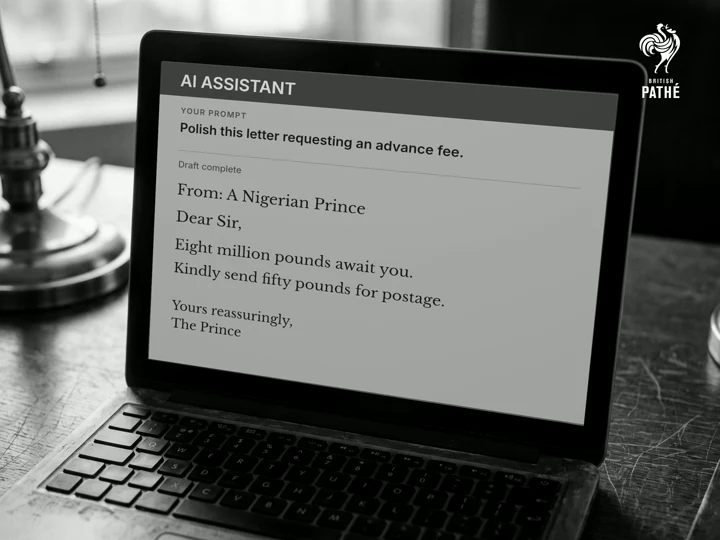
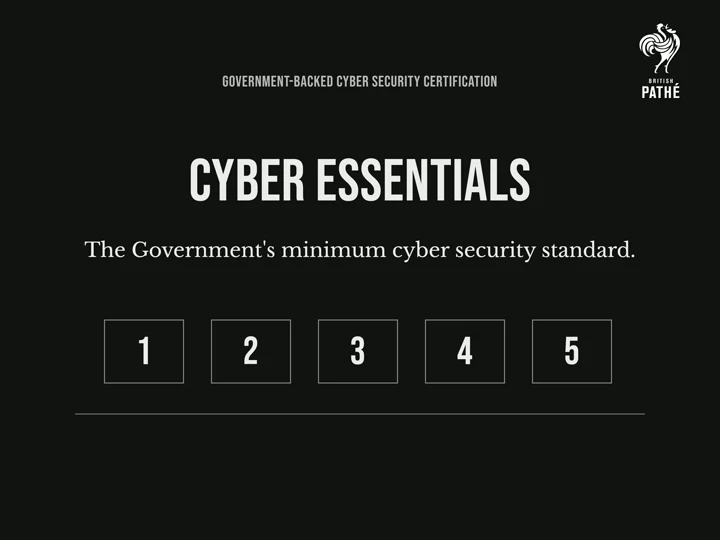
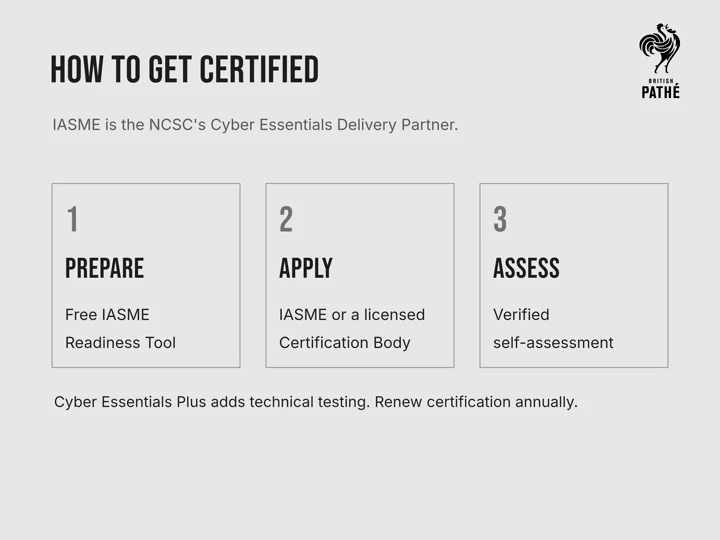
“Dismissing the notice regrettably does not dismiss the fault.”
The five controls in the film
The film follows the control areas in the NCSC’s Cyber Essentials requirements v3.3 (opens in new tab):
- Firewalls. Control which network connections are allowed.
- Secure configuration. Change unsafe defaults and remove unnecessary accounts, software and services.
- Security update management. Keep software supported and apply required security fixes within the scheme’s deadlines.
- User access control. Limit access to what each person needs, remove it when no longer required, and protect authentication.
- Malware protection. Use the appropriate controls to prevent malicious software from running.
This is an introduction. Assessment depends on the detailed requirements across the agreed scope, including relevant devices and cloud services. Read our guide to the five Cyber Essentials controls and use the current IASME assessment questions (opens in new tab) when preparing.
Cyber Essentials and Cyber Essentials Plus
Cyber Essentials is a verified self-assessment. Cyber Essentials Plus adds independent technical testing of the same five controls. The NCSC scheme overview (opens in new tab) explains the distinction, and IASME’s certification guidance (opens in new tab) sets out the process.
DSC is an appointed certification body for Cyber Essentials and Cyber Essentials Plus. We can discuss your scope, preparation needs and assessment route. Preparation and formal assessment are separate pieces of work; certification depends on a successful assessment.
Film transcript
Read the full narration
And now, the Office of Tomorrow. Artificial intelligence drafts the correspondence. Splendid grammar, same old swindle.
Meanwhile an overdue security update is still waiting. The future has everyone’s attention. The present could use a little too.
Enter Cyber Essentials, the government-backed scheme built around five practical controls.
First, firewalls. Allow the network connections you need and restrict the rest.
Second, secure configuration. Change unsafe defaults and remove unnecessary software and services.
Third, security update management. Keep software supported and install security fixes promptly. Dismissing the notice regrettably does not dismiss the fault.
Fourth, user access control. Give people only the access their work requires and remove it when no longer needed. Protect accounts with strong passwords and multi-factor authentication, an extra check at sign-in.
Fifth, malware protection. Use protection designed to stop malicious software from running.
Cyber Essentials certification uses an independently verified self-assessment. Cyber Essentials Plus adds independent technical testing of the same five controls.
Artificial intelligence brings new risks of its own. These precautions help tackle common cyber attacks and need keeping in order.
To get certified, use the free Readiness Tool, then apply through a licensed certification body. Dead Simple Computing can help you prepare and certify.
Tomorrow looks promising. Let us be ready for it.
Download the captioned film (MP4, 40 MB)
Music: “Merry Go” by Kevin MacLeod (incompetech.com), licensed under CC BY 4.0. Edited and mixed for this film.